BEWARE IMPERSONATION SCAMS! Be sure that you are interacting with us. We e-mail exclusively from the domain @dilendorf.com PUBLIC NOTICE: We are not affiliated with https://www.dilendorflaw.com. A fraud complaint concerning that website has been filed with the FBI’s Internet Crime Complaint Center (IC3), and the matter is currently under investigation.
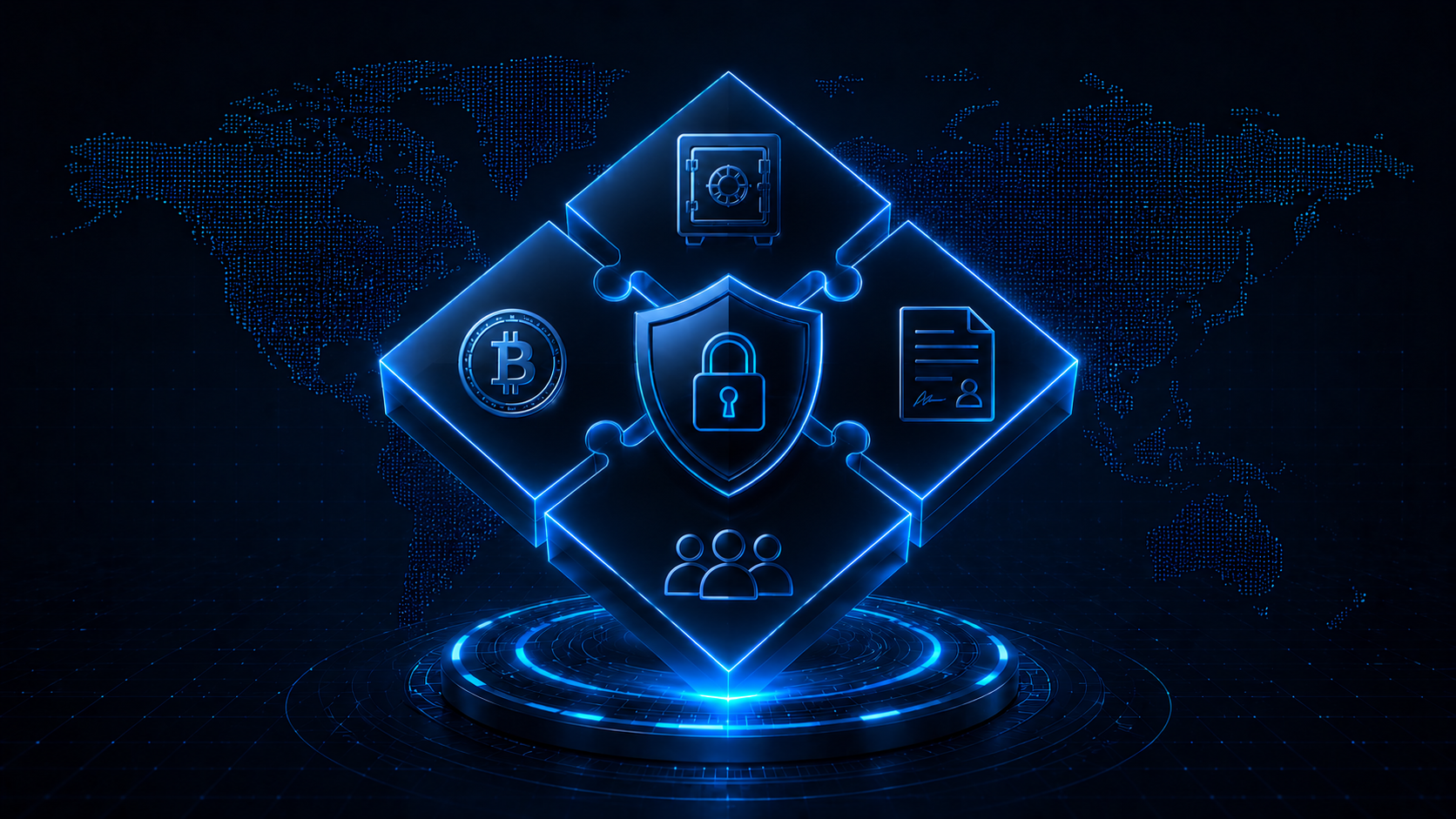
At Dilendorf Law Firm, we structure digital estate plans, special-purpose trusts, holding companies, and crypto foundations for private clients, family offices, and entrepreneurs holding meaningful crypto wealth — coordinating legal structure, professional custody, and succession planning into a single framework.
Cybercrime is at an all-time high. The FBI’s IC3 2024 Annual Report confirmed over $12 billion in crypto losses in 2024. Once funds are stolen, recovery is difficult and often impossible.
Traditional estate tools were not built for this environment: passwords, seed phrases, multi-sig and MPC wallets, NFTs, DeFi positions, and exchange terms of service all demand a plan that works in practice, not just on paper.
If you hold significant digital assets and want a structure built to protect, manage, and transfer them, contact us at info@dilendorf.com or 212.457.9797 for a confidential consultation.
ATTORNEYS' EXPERIENCE
ATTORNEYS' EXPERIENCE
We help crypto investors, founders, and families secure their wealth and protect their legacy — through Crypto Special Purpose Trusts, digital asset holding companies, and crypto foundations in Wyoming, Delaware, Nevada, and Switzerland.
Crypto Special Purpose Trusts (Revocable Living Trusts)
A Crypto Special Purpose Trust is a Revocable Living Trust adapted to digital assets. It centralizes wallets, exchange accounts, NFTs, and other digital holdings under a single legal structure with documented custody, governance, and succession rules.
Assets can be held under the custody of a licensed professional trust company in the U.S. or Switzerland, using institutional-grade cold storage and multi-layer security — substantially reducing operational risk compared with exchanges or DIY hardware wallets.
This structure is suited for:
Crypto holders seeking probate avoidance and seamless incapacity planning
Founders, traders, and long-term investors managing assets across multiple wallets, exchanges, or chains
Families coordinating multi-beneficiary access and governance, including co-trustees for couples or partners
Executors and trustees who need explicit, legally recognized on-chain authority
Why Choose a Crypto Revocable Trust
Avoid probate — private, efficient transfers to beneficiaries with no public court process
Continuity and flexibility — successor trustees act immediately; co-trustees can manage together
Enhanced security — option to custody assets with a licensed professional trust company using cold storage and multi-layer controls
Custody choice — self-custody, institutional custody, or a hybrid model, documented and enforceable
Built for modern portfolios — NFTs, DeFi, staking and validators, and exchange accounts integrated with clear standard operating procedures
Tax-ready records — proper basis and lot tracking, reporting hygiene
Hybrid — tiered hot/warm/cold storage with monitoring for policy breaches
Deliverables include a Key Ceremony Record, Access Matrix, Incident-Response Playbook, and Annual Review Checklist — so the plan works when it matters.
Digital Asset Holding Companies & Crypto Foundations
For clients consolidating digital assets at scale — Bitcoin treasury programs, family office portfolios, founder holdings — a dedicated entity structure adds discipline, governance, and protection beyond what a trust alone provides.
A digital asset holding company — typically an LLC or corporation — is a legally distinct vehicle that owns and manages crypto holdings separate from operating businesses and personal estates. A crypto foundation adds a governance layer through boards, committees, and independent trustees; foundations have no owners and are particularly well suited to succession planning and long-term oversight.
Why Wyoming, Delaware, and Nevada
We form digital asset holding companies in U.S. jurisdictions with the strongest legal environments for crypto ownership:
Wyoming — pioneering legislation recognizing digital assets under the state commercial code and providing statutory custody protections
Delaware — long-established corporate law and respected courts
Nevada — favorable corporate governance regime and no state income tax
These entities can be paired with domestic or offshore asset protection trusts and Family Limited Partnerships, creating a layered structure that separates ownership, management, and beneficiary interests.
The Holding Company / Foundation Difference
A holding company is owned and controlled by its members or shareholders, making it best suited for active management of digital assets and Bitcoin treasury operations.
A foundation has no owners and is governed by a board or trustees, making it better suited for succession planning and long-term oversight. Both structures can be customized to work alongside asset protection trusts and FLPs.
Custody, Protection, and Insurance
Forming an entity is the starting point. The real strength of the structure lies in how custody, protection, and insurance are implemented around it:
Custody — coordination with regulated custodians, trust companies, or banks providing institutional-grade storage (cold storage, multi-sig, MPC); governance documents requiring dual approvals, address whitelists, and detailed reporting
Asset Protection — pairing the entity with trusts or FLPs to insulate digital assets from creditor claims and support long-term estate planning
Insurance — coverage for hot and cold storage risks, cyberattacks, fraud, and management liability; review of policy exclusions to ensure no major gaps relative to the custody model
Integration with Broader Planning
A Crypto Special Purpose Trust or digital asset entity fits naturally into comprehensive planning.
It aligns with wills, powers of attorney, marital agreements, insurance, and tax strategy; coordinates with LLCs and FLPs to separate hot wallet operations from vault holdings; and, for cross-border families, can be paired with offshore planning (Cayman, Cook Islands) to address additional risk or jurisdictional needs.
Regular reviews keep governance current with technology, regulation, and family circumstances.
Top Questions
How is a Crypto Special Purpose Trust different from a will? A will is public and goes through probate after death. A trust avoids probate and provides continuity during incapacity.
Does a revocable trust protect against creditors? Not while revocable. Consider LLCs, FLPs, DAPTs, or offshore trusts for asset-protection goals.
Can the trust include NFTs, DeFi, and staking? Yes — these are scheduled and governed with specific custody, validator key, and marketplace policies.
How do trustees access wallets and exchanges? Through custodian paperwork and exchange Authorized-Party forms; self-custody access is documented via key ceremonies and signer policies.
What if a private key or device is lost? The Incident-Response Playbook governs: recovery procedures, backups, and signer rotations.
How are taxes handled? Most revocable trusts are grantor trusts — income and gains are reported by the grantor. Step-up in basis may apply at death (jurisdiction-dependent).
What is the difference between a holding company and a foundation? A holding company is owned and controlled by its members or shareholders. A foundation has no owners — it is governed by a board or trustees — making it better suited for succession and long-term oversight.
Why Wyoming, Delaware, or Nevada? These states offer the strongest U.S. legal frameworks for digital assets. Wyoming provides statutory custody protections; Delaware and Nevada are long-standing leaders in corporate law.
What about insurance? Even with a regulated custodian, dedicated crypto insurance helps cover gaps — protecting against theft, cyberattacks, cold storage risks, and management liability.
Can custody be in the U.S. or Switzerland? Assets may be custodied with a licensed professional trust company in either jurisdiction, depending on the family’s profile.
Contact Us
If you are considering a Crypto Special Purpose Trust, a digital asset holding company, or a crypto foundation — or if you want to review how your existing digital assets are held and protected — contact us at info@dilendorf.com or 212.457.9797 for a confidential consultation.